
Industrial Rolling Stairs
Rolling stairs solve a problem no fixed platform can: getting workers safely onto a truck, railcar, or vessel that isn't always parked in the same place. Safe Harbor Access Systems designs and manufactures rolling stairs engineered around the vehicle types and yard layouts your team actually works with, not a generic ladder resold from a warehouse catalog. Trucks, railcars, and marine vessels each present a different hatch height, deck height, or approach, and our engineering team accounts for that difference in every rolling stairs unit we ship.
Engineered Around Truck, Railcar, and Marine Access
Vehicle height changes the entire rolling stairs design. A tanker truck hatch sits at a different height depending on load weight, so the working height for a full trailer looks different from the same trailer empty. A railcar sits higher off the ground and needs a taller frame with a wider reach across the car. Marine and barge work adds a third variable: tidal rise and fall changes deck height throughout the day, which a stationary stair cannot follow. Safe Harbor accounts for all three with self-leveling and telescoping bases that adjust to the vehicle or vessel in front of them, rather than forcing workers to climb a fixed unit that no longer lines up with the hatch or deck.
Mixed operations add another layer. A facility that services trucks in one yard, railcars on a spur, and marine vessels at a dock needs rolling stairs that can be reconfigured or redeployed rather than a separate fixed structure built for each. Our engineering team reviews your fleet and site layout before finalizing a design, so the unit works across every access point you run today.

Rolling Stairs Configurations
We build rolling stairs around the application, not a single fixed template. Configuration options include:
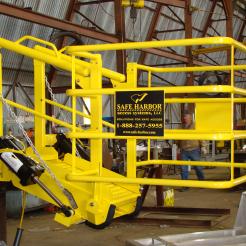
- Standard truck base: Perpendicular approach for single-hatch tankers and dry bulk trailers, with a braked, wheeled frame that locks in place at the work point.
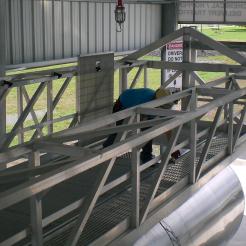
- Parallel base: Parallel approach for multi-hatch tankers and dry bulk trailers, letting one operator work every hatch from a single platform without repositioning the vehicle.
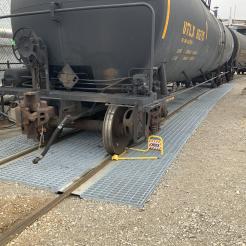
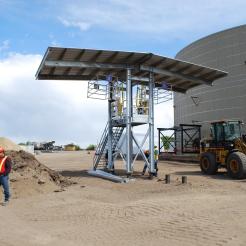
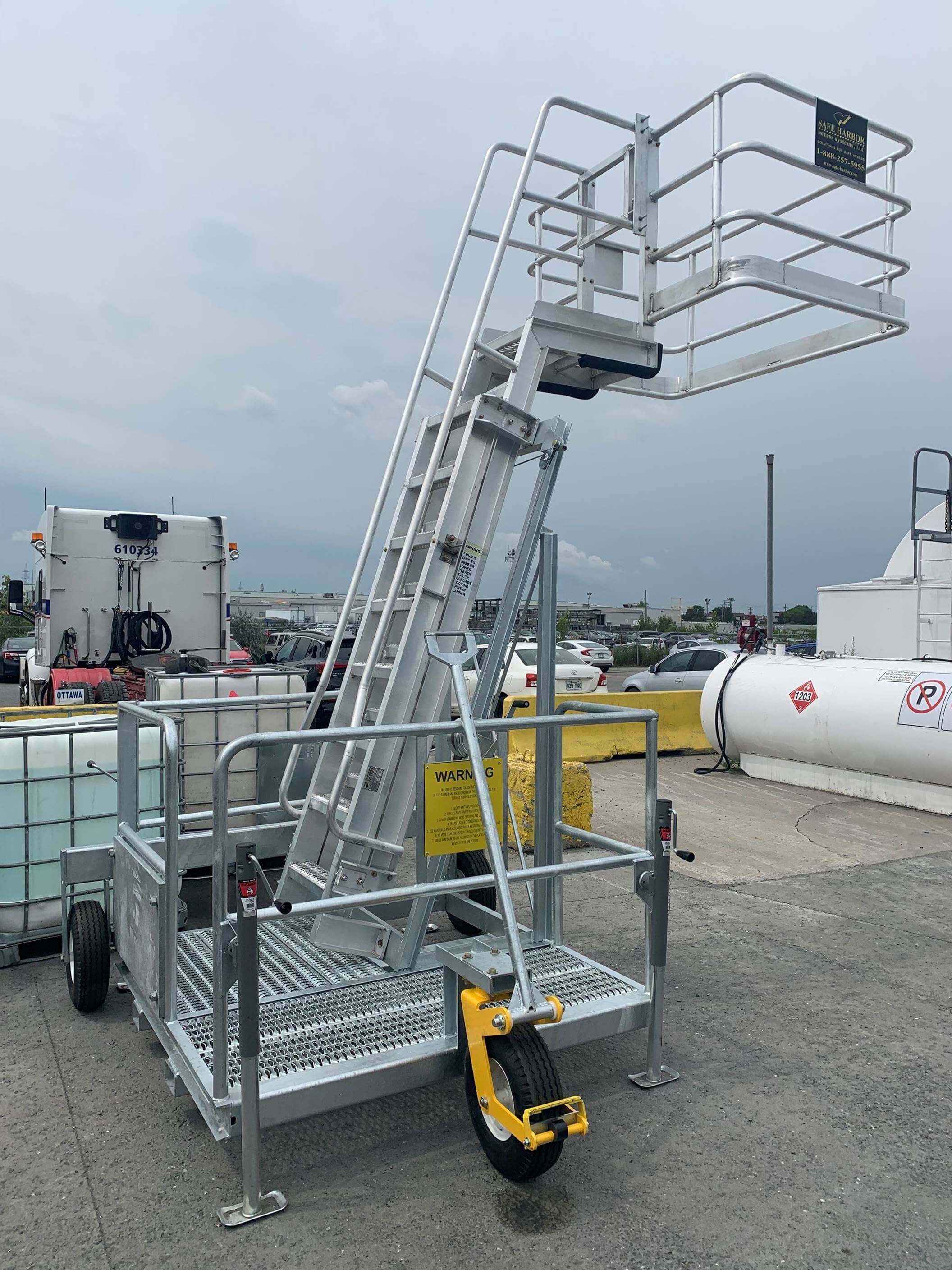
- Railcar base: Taller frame built to reach hopper cars, tank cars, and covered cars, with a towable chassis that repositions along a spur.
- Marine and barge base: Self-leveling or telescoping frame that adjusts to tidal rise and fall, keeping the platform level as vessel height changes.
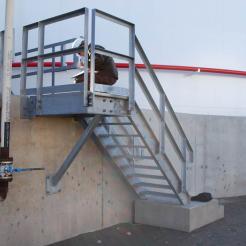
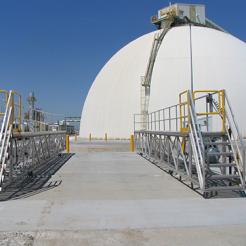
Each configuration includes guardrails, non-slip treads, and a safety cage sized to your working height, plus forklift pockets or a hitch connection where a facility needs to reposition the unit with yard equipment.
OSHA Fall Protection Requirements for Rolling Stairs
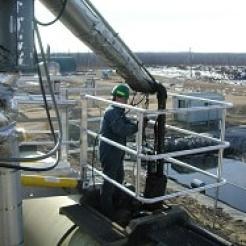
OSHA's General Industry Fall Protection Standard, 29 CFR 1910.28, requires employers to protect workers on a walking or working surface four feet or higher above a lower level. A rolling stairs unit that includes guardrails, mid rails, and toe boards is one of the most direct ways to meet that requirement for workers boarding a truck, railcar, or vessel.
Safe Harbor designs every rolling stairs unit to meet OSHA 1910.23 and 1910.28, with the guardrail and access point criteria in 1910.29 built into the platform itself rather than added afterward. Our fall protection systems cover loading racks, portable platforms, and rolling stairs alike, so a facility running more than one access type stays consistent across its site.
Why Operators Choose Safe Harbor Rolling Stairs
We manufacture every rolling stairs unit at our South Carolina facility, so procurement teams work with one company for engineering and fabrication rather than splitting the project across a distributor and a fabricator. Chemical and oil and gas terminals turn to Safe Harbor for rolling stairs, along with food and beverage producers, frac sites, and rail logistics operations that need access at more than one point on the property. For projects that require them, we provide stamped engineering drawings and load documentation for your safety team to keep on file.
Get a Quote for Your Rolling Stairs
Tell us what you load, where you load it, and how the access point moves across your site, and we will return a rolling stairs configuration built for your operation. Our engineers confirm vehicle height, hatch position, and yard footprint with your team before finalizing a drawing. Submit a quote request today and get rolling stairs sized for the way your facility actually runs.
Frequently Asked Questions
Rolling stairs are a self-contained wheeled stair unit that provides direct step access to a truck, railcar, or vessel. A portable access platform typically pairs a rolling stairs base with a full work platform and safety cage for tasks that require an operator to stand at height for an extended period, such as top-loading or sampling. Facilities that need quick, repeated boarding often choose rolling stairs, while facilities that need an extended work surface choose a portable access platform.
Yes. Facilities that handle more than one vehicle type often run separate rolling stairs configurations, sized for the vehicle height and hatch or deck position of each application, or a single adjustable-height unit built to cover more than one use case. We review your full site layout before recommending which approach fits your operation.
Yes. Every rolling stairs unit we manufacture is engineered to meet OSHA 1910.23 and 1910.28, with guardrails, non-slip treads, and toe boards built in, and we provide compliance documentation with every quote.
Yes. Our in-house engineering team specs each rolling stairs unit around your vehicle or vessel dimensions, hatch or deck position, and site footprint, rather than shipping a fixed catalog size through our custom access stairs program.
safe harbor’s LOADING RACKS
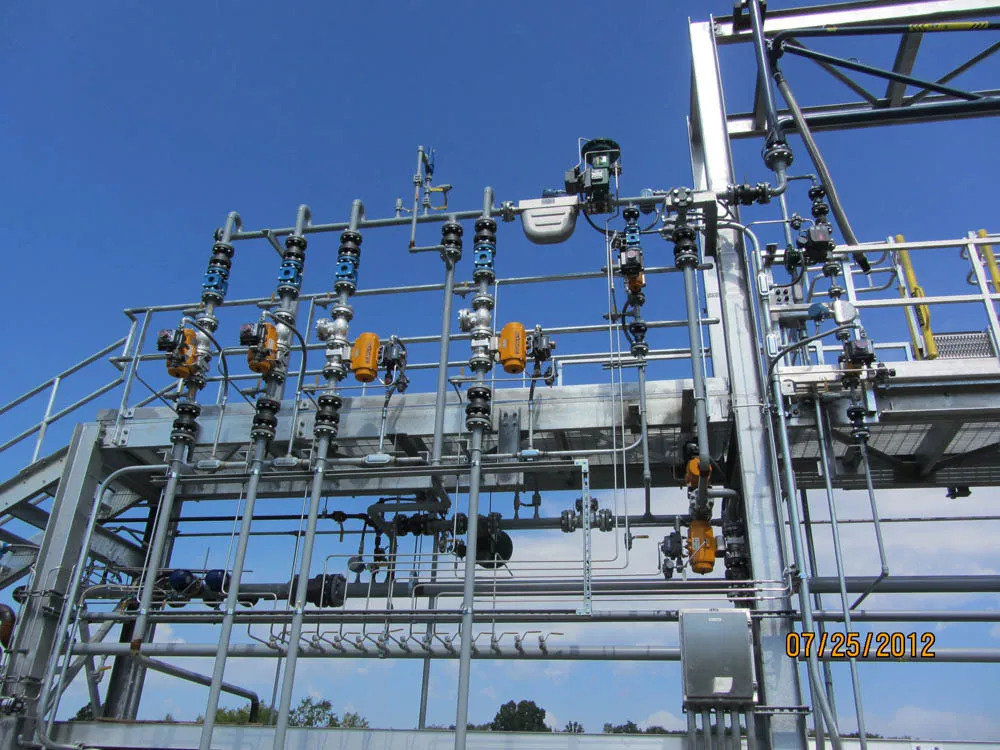
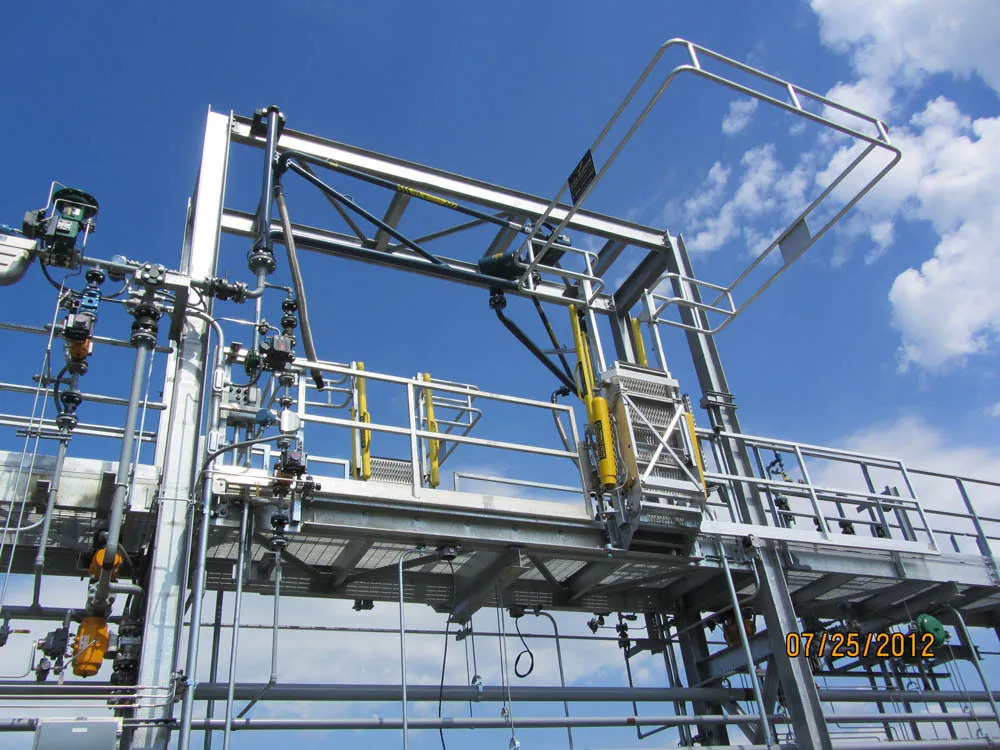
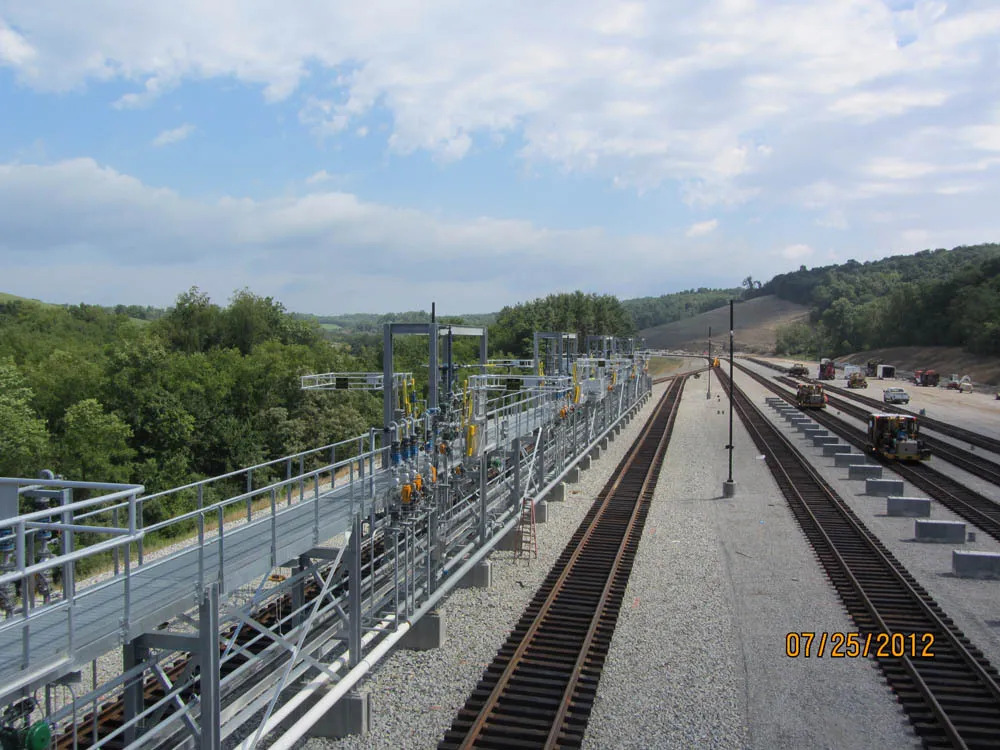
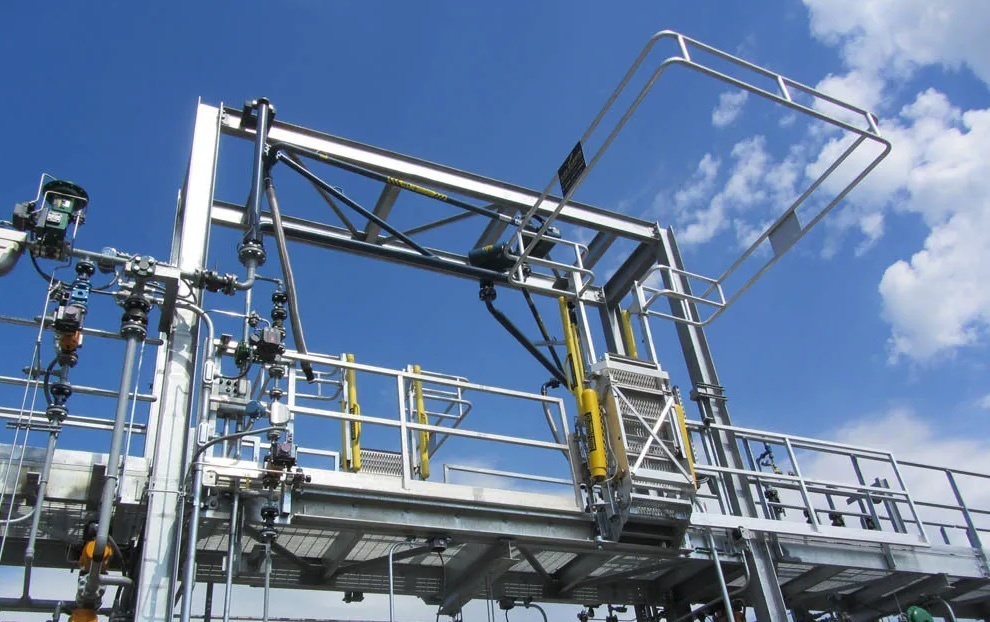
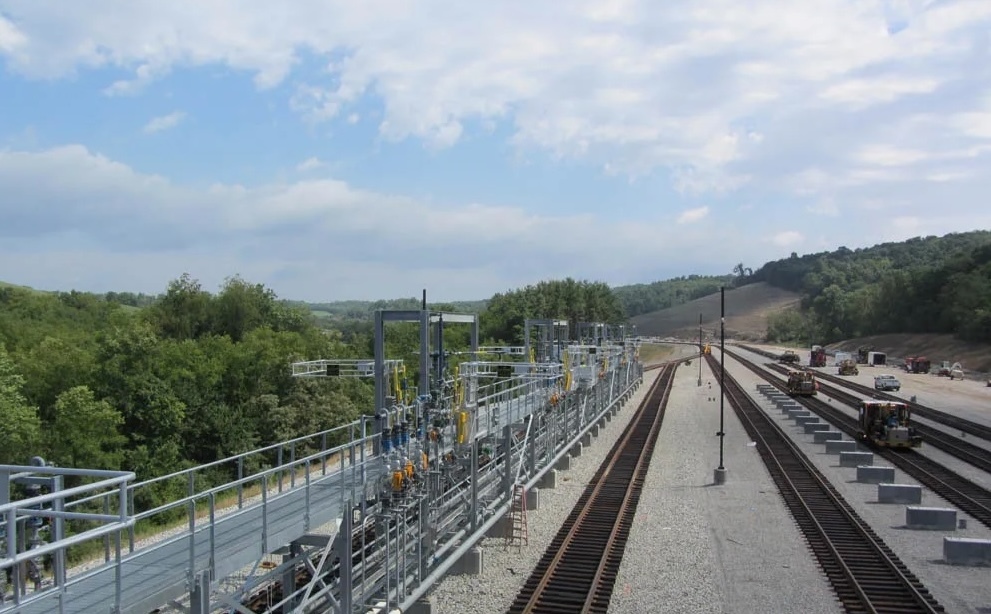
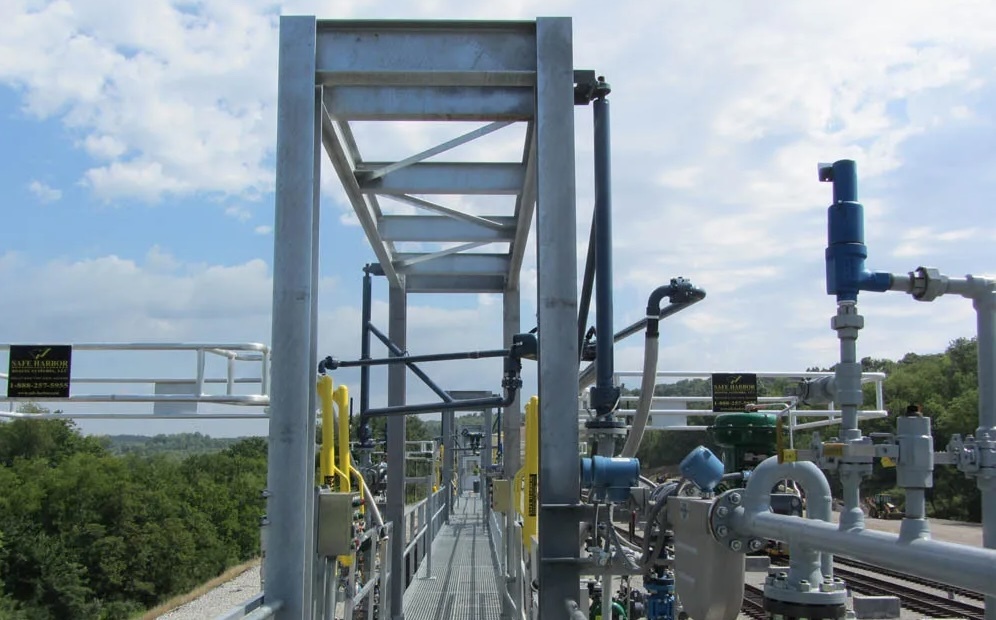
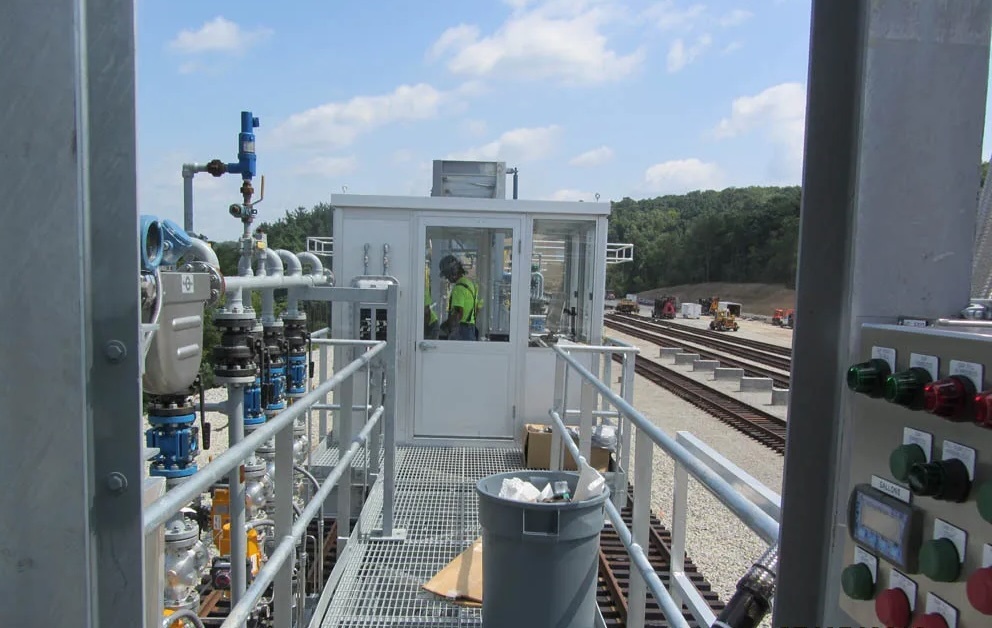
similar products
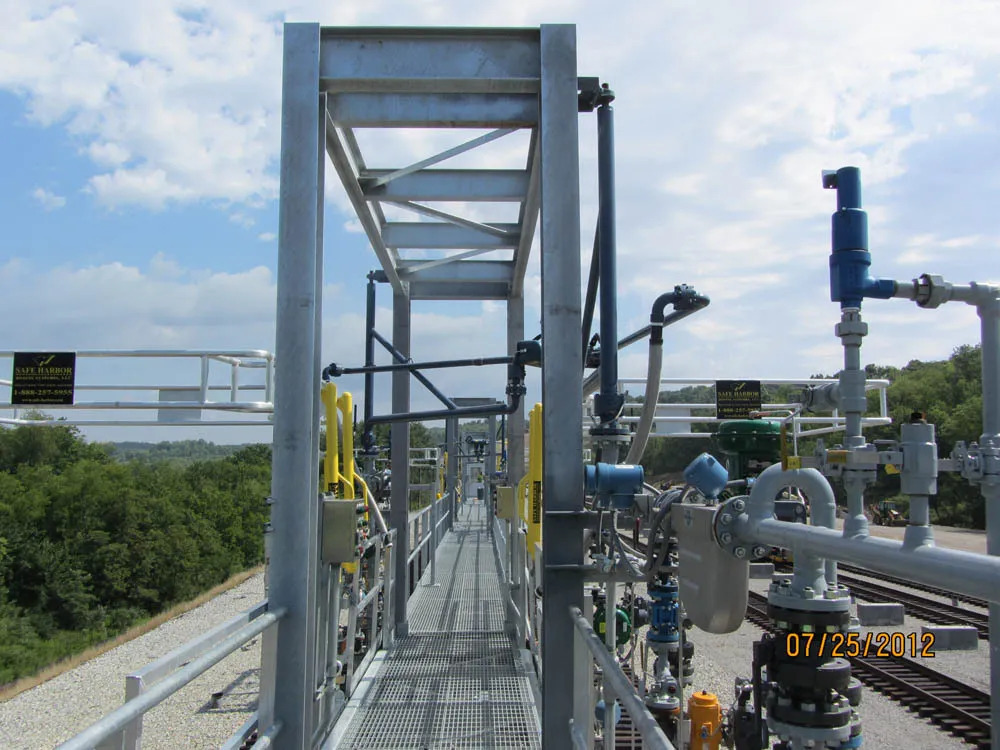
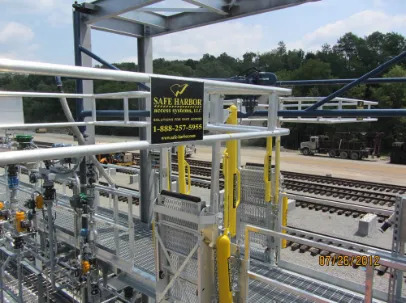
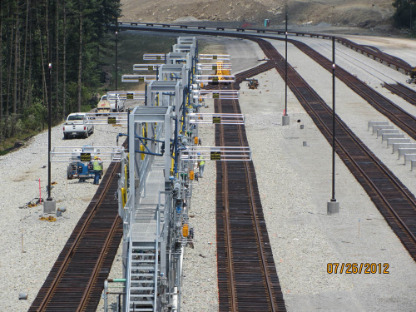
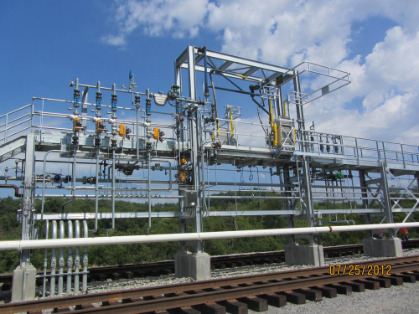
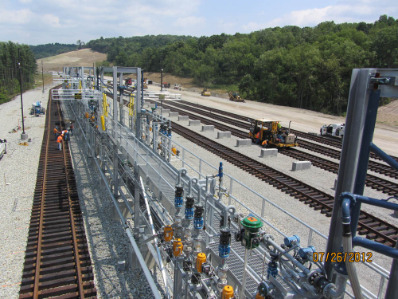
Safe Harbor Access Systems fabricates terminals, platforms and fall protection equipment to meet general and unique application requirements.